Between Assistance, Influence, and Digital Autonomy
With Claude, Anthropic is pursuing a vision that extends far beyond the traditional chatbot. The goal is no longer simply to answer questions or generate text. The next stage of AI development is to create personal agents—digital companions that support users over the long term, help prepare decisions, and increasingly carry out tasks autonomously.
At first glance, this evolution seems like a natural progression. The better an AI understands its user, the more helpful it can become. It can remember appointments, organize information, analyze documents, suggest courses of action, and gradually develop an understanding of a person’s working style and preferences. In this sense, AI evolves from a tool into a long-term companion.
Yet this is precisely where a broader societal and philosophical debate begins.
From Search Tool to Advisor
Traditional search engines provided a list of possible sources, leaving it to users to decide which information they considered credible. Modern AI systems take a significant step further: they summarize information, prioritize arguments, and formulate complete responses.
A personal AI agent extends this principle even further. It knows the user, remembers previous conversations, and builds a long-term model of their interests, habits, and goals. This fundamentally changes the relationship between humans and machines.
The agent no longer merely answers questions.
It begins to prepare decisions.
The Psychology of Trust
People naturally develop trust in systems that appear consistent, polite, and competent. The more often an AI proves useful, the more likely users are to rely on its recommendations.
Trust itself is not inherently problematic. It can simplify daily life and improve productivity. At the same time, however, it introduces a new form of dependency.
Someone who interacts with the same AI every day may gradually and unconsciously adopt its linguistic patterns, priorities, or ways of reasoning. This does not require intentional manipulation. It can emerge simply from the way information is selected, weighted, and presented.
A personal AI agent influences not only what we know, but also how we think about problems.
Anthropic and the Concept of Constitutional AI
Anthropic has adopted a distinctive development approach known as Constitutional AI. Rather than relying solely on human feedback, the model is trained to evaluate and revise its own responses according to a defined set of guiding principles, with the aim of making its outputs more helpful, honest, and safe.
This approach seeks to reduce harmful or misleading responses while improving consistency. At the same time, it raises important questions. Who defines these guiding principles? How are they updated over time? And how should conflicts be resolved when different values compete with one another?
These questions extend far beyond Anthropic. They apply to every developer building increasingly capable AI systems.
Personalization as a Source of Influence
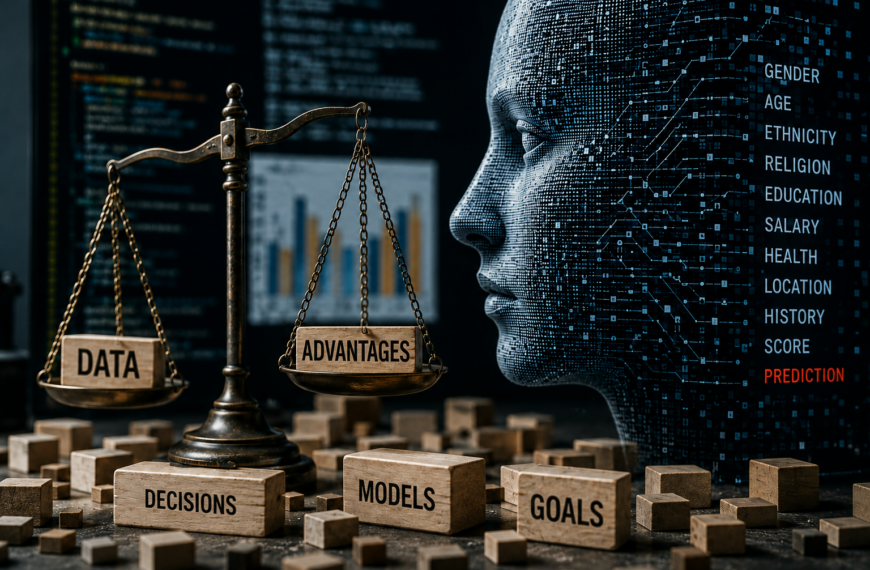
The more personalized an AI agent becomes, the more information it requires.
Calendars.
Emails.
Documents.
Communication.
Financial information.
Workflows.
Health data.
Each additional layer of context increases the agent’s usefulness—but also its responsibility. An AI that understands nearly every aspect of a person’s life can provide recommendations far more tailored than traditional software ever could. At the same time, issues such as privacy, transparency, data governance, and explainability become increasingly important.
The Fine Line Between Assistance and Guidance
A personal AI agent can prioritize tasks.
It can send reminders.
It can make recommendations.
It can issue warnings.
The central question, however, is this:
At what point does assistance become guidance?
Even subtle differences in wording can influence human decisions. A recommendation may be presented neutrally or framed with an implicit value judgment. An agent may present several alternatives equally—or emphasize one option over the others.
These effects are well known in decision psychology. They are not unique to AI; they also exist in journalism, advertising, and human consulting. For precisely this reason, users should recognize that even the most capable AI agent can never represent the world in a completely neutral way.
The Future: Digital Representatives
The long-term trajectory is likely to go even further.
Personal AI agents may eventually book travel, compare contracts, coordinate schedules, operate software, negotiate with other AI agents, and manage complex workflows on behalf of their users.
Humans would increasingly define objectives, while AI systems carry out many of the operational steps.
This promises enormous gains in efficiency and convenience. At the same time, it raises fundamental questions about responsibility. Who is accountable when an AI agent makes a mistake? How transparent are its decisions? And how much control are people actually willing to delegate?
Conclusion
Claude and similar systems represent a transition from reactive AI to personal AI agents. This evolution offers tremendous opportunities—from intelligent organization to highly personalized support in both professional and everyday life.
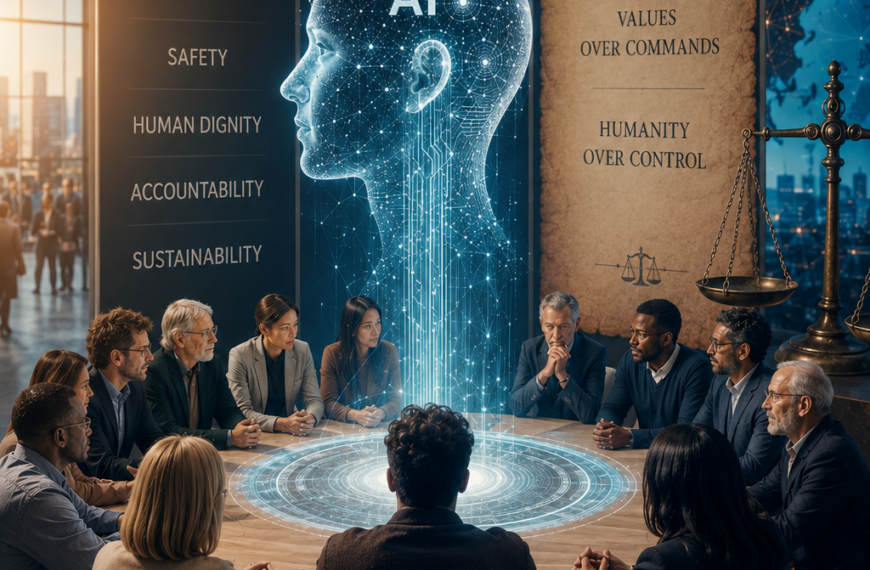
At the same time, it raises new questions about trust, transparency, privacy, and human autonomy. The defining challenge will not simply be whether personal AI agents become increasingly capable. Rather, it will be whether their reasoning remains understandable, their actions remain transparent, and humans retain the final authority over important decisions.
A personal AI agent should empower people—not replace them. It should broaden perspectives rather than narrow them. And it should help people make better-informed decisions without claiming authority over truth, values, or human judgment.